- 2020-01-30
- 2021-04-05
Ep.#3,4 Kawasaki | 川崎
Starting from a lodging town on the lower reaches of the Tama River, it has become a populous town crowded with diverse people.(多摩川下流にある宿場町から始まり、多様な人で賑わう人口の多い町に。)

Starting from a lodging town on the lower reaches of the Tama River, it has become a populous town crowded with diverse people.(多摩川下流にある宿場町から始まり、多様な人で賑わう人口の多い町に。)
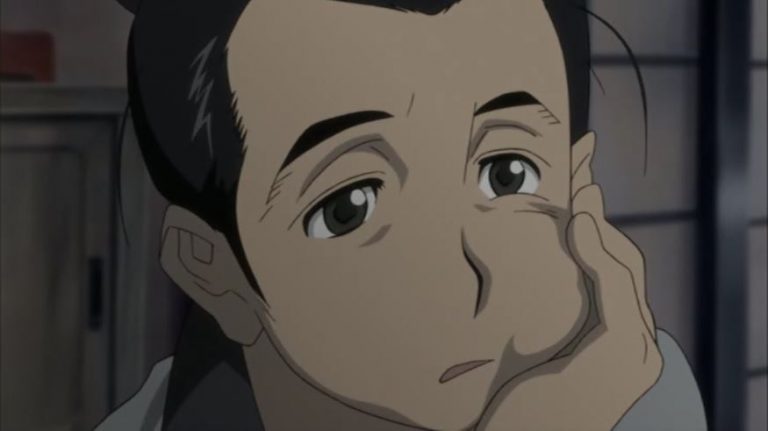
The storekeeper of the tavern, "Takeya" that Mugen and Jin visited separately.(ムゲンとジンがそれぞれ別々に訪れた料理屋『竹屋』の店主。)
The Head of the Yakuza, "Nagatomi-gumi" tries to take over the town by trapping the citizens.(住人を陥れて町を乗っ取り、支配しようと企むヤクザ永富組の親分。)
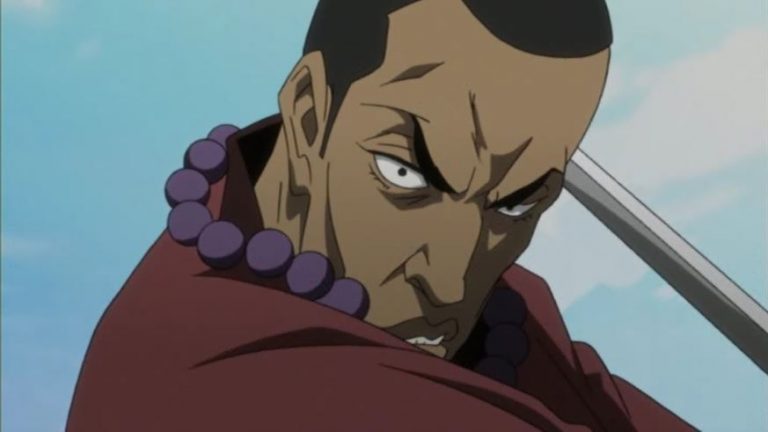
A yakuza member who quit the Kawara group and became a bodyguard for the Nagatomi group.(瓦組を飛び出し、永富組の用心棒となったヤクザ組員。)
Daughter of a joinery shop. She is taken to a brothel by yakuza as an alternative for her dad's debt made by Hustling of yakuza.(建具屋の娘。父・大吾郎がヤクザに嵌められて作った借金のカタに女郎屋に連れて行かれてしまう。)
The second generation of the Yakuza, "Kawara group". A boy who speaks big to Jin.(ヤクザ瓦組の二代目。ジンに対して偉そうな口の利き方をする少年。)
The street fortune-teller and the witness at the gambling house(辻占・賭場の立会人)
The Head of Yakuza, "Kawara-gumi" who has kindhearted personality.(ヤクザ『瓦組』の親分で、その人柄には人情味がある。)
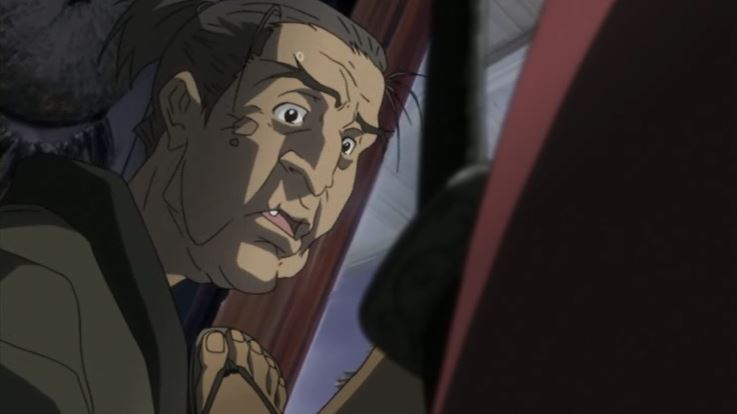
The storekeeper of a Joinery shop. He has a debt due to yakuza hustling.(建具屋の店主。ヤクザのイカサマ賭博で負けた借金がある。)
While the fairy tale "Momotaro" is the motif, it is also a satire that depicts people's prejudice against "demons" or an appearance.(説話『桃太郎』がモチーフでありながら、『鬼』や見た目に対する人々の偏見を描く風刺でもあります。)